


Home / Artikel
Modern marine navigation relies heavily on the continuous precision of positioning data. Primary bridge electronics such as ECDIS (Electronic Chart Display and Information System), Radar ARPA, AIS, and Autopilots require uninterrupted position, Speed Over Ground (SOG), and Course Over Ground (COG) data feeds.
IMO MSC.112(73) performance standards require primary position sensors on commercial ships to deliver exceptionally high reliability. Key operational benefits include:
Fast 10 Hz Position Update Rate: Updating position data 10 times per second ensures smooth vessel tracking on ECDIS displays without lag.
Enhanced Multi-path Interference Rejection: Advanced receiver chips filter out multipath signal reflections near ports or narrow waterways.
Bridge Alert Management Integration (BAM Ready): Fully complies with IMO MSC.302(87) for centralized bridge alert notification.
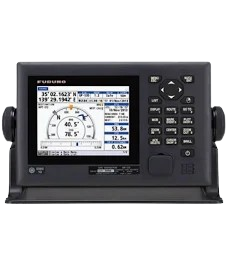
A prime example of an IMO-certified positioning unit is the Furuno GP-170 IMO GPS Navigator, trusted across commercial maritime fleets worldwide.
Secure High-Speed Data Connections: Connect the GPS data interfaces to bridge displays using standard IEC 61162-450 Ethernet or serial connections.
Mount Antenna Clear of Obstructions: Position the GPS antenna unit in an elevated location away from radar scanners and metal mast structures.
Complete Your Bridge Electronics Suite: Pair your positioning system with reliable marine communications such as the Shakespeare 5101-S Marine VHF Antenna and essential radar components like the JRC MAF-1565N Magnetron.
Implement Dual-System Redundancy: Install two IMO GPS units in parallel to ensure automatic system failover and uninterrupted navigation monitoring.
Deploying an IMO-compliant positioning system ensures regulatory compliance and enhances ocean navigation safety. Visit Alnindo.com for professional consultations and reliable marine electronics supplies.
